

When tenants stop paying rent, most landlords start with phone calls and WhatsApp messages. But when none of that works, do you know what comes next?
The answer is Form 22—the official legal document for applying to the Lands Tribunal for property repossession. Sounds complicated? The process is actually clearer than you'd think. The problem is, many landlords waste months because they don't understand the procedure. If you're dealing with rent arrears, consider learning about our residential repossession services.

1. When Can You File Form 22?
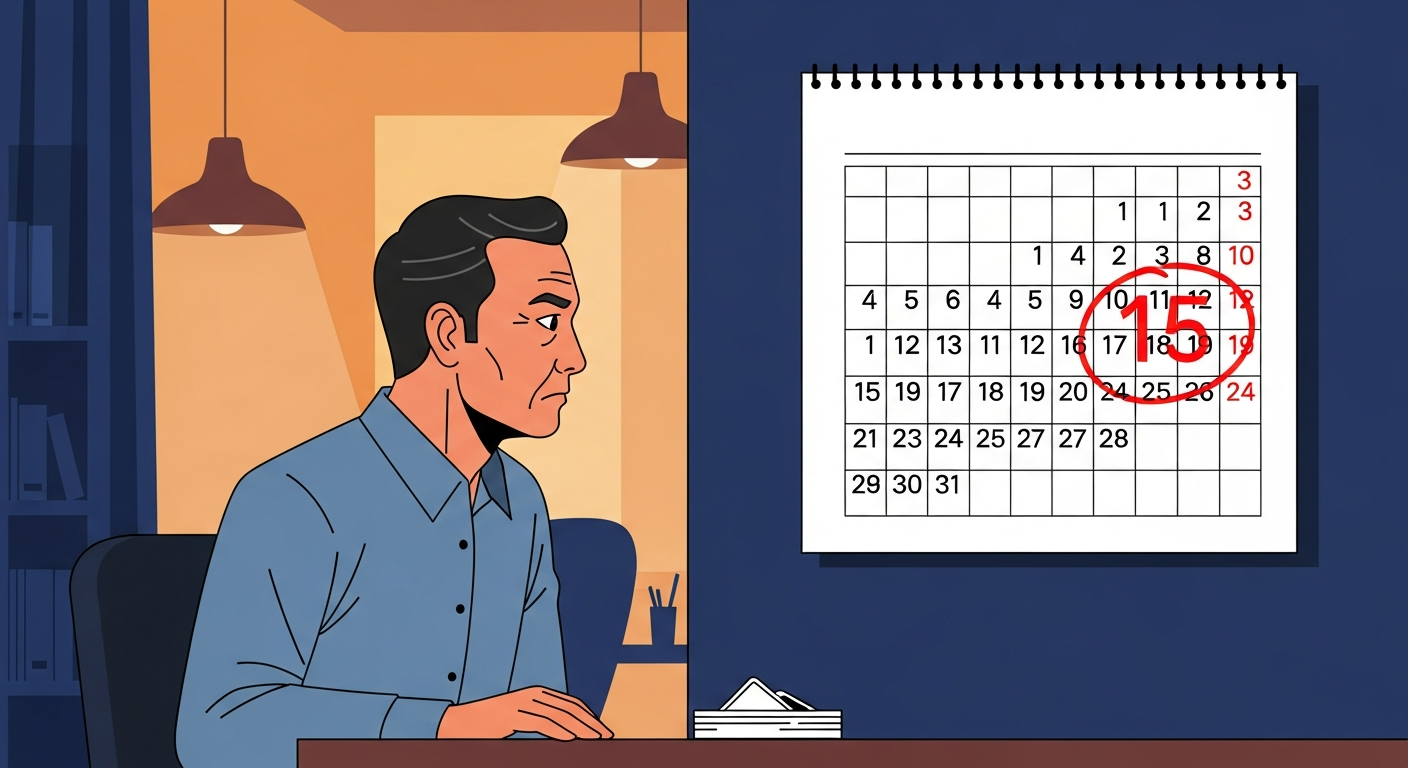
Under the Landlord and Tenant (Consolidation) Ordinance, once a tenant is 15 days in arrears, landlords have the right to apply to the Lands Tribunal for repossession. A common misunderstanding: the 15 days count from the rent due date, not from when you noticed the non-payment.
Practical Example
If your lease specifies rent due on the 1st of each month, and you still haven't received January's rent by January 16th, you can start preparing Form 22. We recommend sending a formal written demand letter first—it preserves evidence and gives the tenant one last chance.
2. What Documents Does Form 22 Require?
Before heading to the Lands Tribunal, gather these materials:
- Completed Form 22 (Part A for standard tenancies, Part B for regulated SDU tenancies)
- Original and copy of stamped tenancy agreement
- Rent receipt counterfoils (proving previous payments)
- Proof of ownership
- "Notice to Persons in Actual Possession" (a separate form)
- For company applicants: company chop, letter of authorization, signatory's position
Important: Residential landlords must have already submitted Form CR109 (New Letting Notice) to the Rating and Valuation Department. Without it, you cannot pursue rent claims in court. Late submission costs $310.
📚 Related Articles
3. Service Requirements: Details Matter
After filing Form 22, you have 7 days to complete service. Many people get this wrong and have to start over.
Correct Service Method
- Send a copy of Form 22 to the tenant (registered mail works)
- Post Form 22 at a conspicuous place on the property's main entrance (once)
- Post "Notice to Persons" for 3 consecutive days (one per day)
- Keep originals and copies for later writ application
After completing service, promptly file the "Certificate of Service" (Form 30) with the Lands Tribunal. It must be sworn or affirmed.
💬 Have Tenancy Questions?
If you have questions about Form 22 procedures or want to understand your specific situation, feel free to WhatsApp us anytime for a free chat. Our consultants will respond as soon as possible.
📱 Free WhatsApp Enquiry4. Can the Tenant Object?
Yes. Tenants have 7 days to file an objection after service. In practice, few do—the facts of non-payment are usually clear.
Scenario A: No Objection (Most Common)
You can apply for default judgment under Rule 15 of the Lands Tribunal Rules. Typically issued within 2-3 working days.
Scenario B: Tenant Objects
The Registrar schedules a hearing, usually about 2 weeks out. Unless the tenant has a valid defense (e.g., rent was paid but landlord has no record), the outcome rarely changes.
⚠️ Relief Against Forfeiture
If this is the tenant's first repossession for non-payment, the court may grant a "relief period" (minimum 1 week) to pay all arrears plus costs. If paid in full, the tenancy is reinstated and the possession order becomes unenforceable. This is statutory protection—landlords cannot avoid it.

5. Final Step: Bailiff Execution
After judgment, you apply for a "Writ of Possession." For standard tenancies, apply 4 working days after posting the notice. For regulated SDU tenancies, wait 60 days (giving tenants time to move out).
Bailiff scheduling typically takes 1-2 months, depending on district workload. On execution day, the bailiff recovers vacant possession on the landlord's behalf.
Overall Timeline (Uncontested)
From filing Form 22 to successful repossession, expect about 3 months if everything goes smoothly. Delays usually stem from incomplete documents, service errors, or busy bailiff schedules. That's why many landlords choose to engage professional consultants. For assistance, see our commercial repossession services or residential repossession services.
Repossession isn't easy, but the legal process is actually quite clear: prepare documents, file Form 22, complete service, await judgment, apply for execution. Each step has rules to follow. As long as you proceed systematically, rent arrears problems get resolved. Having handled hundreds of repossession cases, our biggest takeaway is this—the sooner you act, the less you lose.
✍️ About the Author
Easy Property Editor
Easy Property has over 10 years of experience handling Hong Kong tenancy disputes, specializing in rent recovery, property repossession, and Lands Tribunal procedures. Our team of senior tenancy consultants has successfully handled over 1,000 cases to date.
🔗 Official Resources
Disclaimer: This article is for general reference only and does not constitute legal advice. Please consult a practicing lawyer for specific legal questions.