
SDU Tenancy Control at 3 Years: The 73% Compliance Gap and What Landlords Must Know
Table of Contents
📌 Key Takeaways
- • 73% of SDU landlords haven't filed AR2 forms—a criminal offense
- • 55.2% of tenants are being overcharged for electricity (some paying up to $2.2/kWh)
- • The "2+2" tenancy protection has limits landlords should understand
Three years ago today, the Landlord and Tenant (Consolidation) (Amendment) Ordinance came into force, bringing subdivided units under tenancy control. But honestly? We've seen way too many landlords fall into the same traps.
The most surprising number? Out of roughly 110,000 SDU units in Hong Kong, the Rating and Valuation Department has received only 29,354 AR2 forms. Quick math: over 70% of landlords simply haven't filed. This isn't minor—it's a criminal offense. If you're renting out SDUs, we recommend learning about our residential repossession services as a precaution.
1. Form AR2: The Document Many Landlords Don't Know Exists
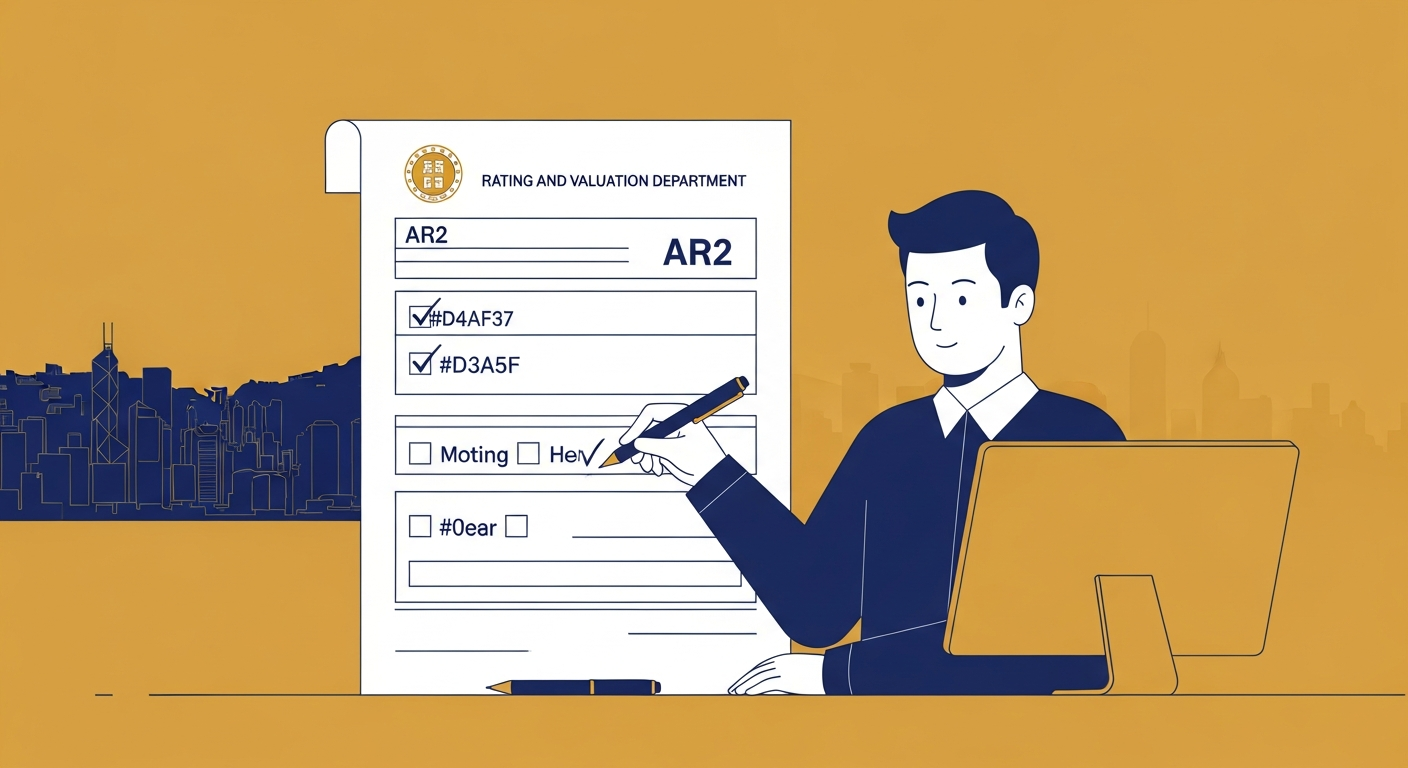
It's called the "Regulated Tenancy Notice." By law, SDU landlords must submit it within 60 days of the tenancy starting. Miss this or file late? You've committed a criminal offense.
We've handled cases where landlords had no idea this was required. One landlord in Sham Shui Po ran SDUs for two years without ever hearing about AR2—until a tenant complained.
💡 Expert Tip
AR2 forms can be downloaded from the Rating and Valuation Department website or by calling 2150 8303. You need to submit one for each tenancy—not one per unit.
2. Utility Bills: Over Half of Landlords Are Breaking the Law
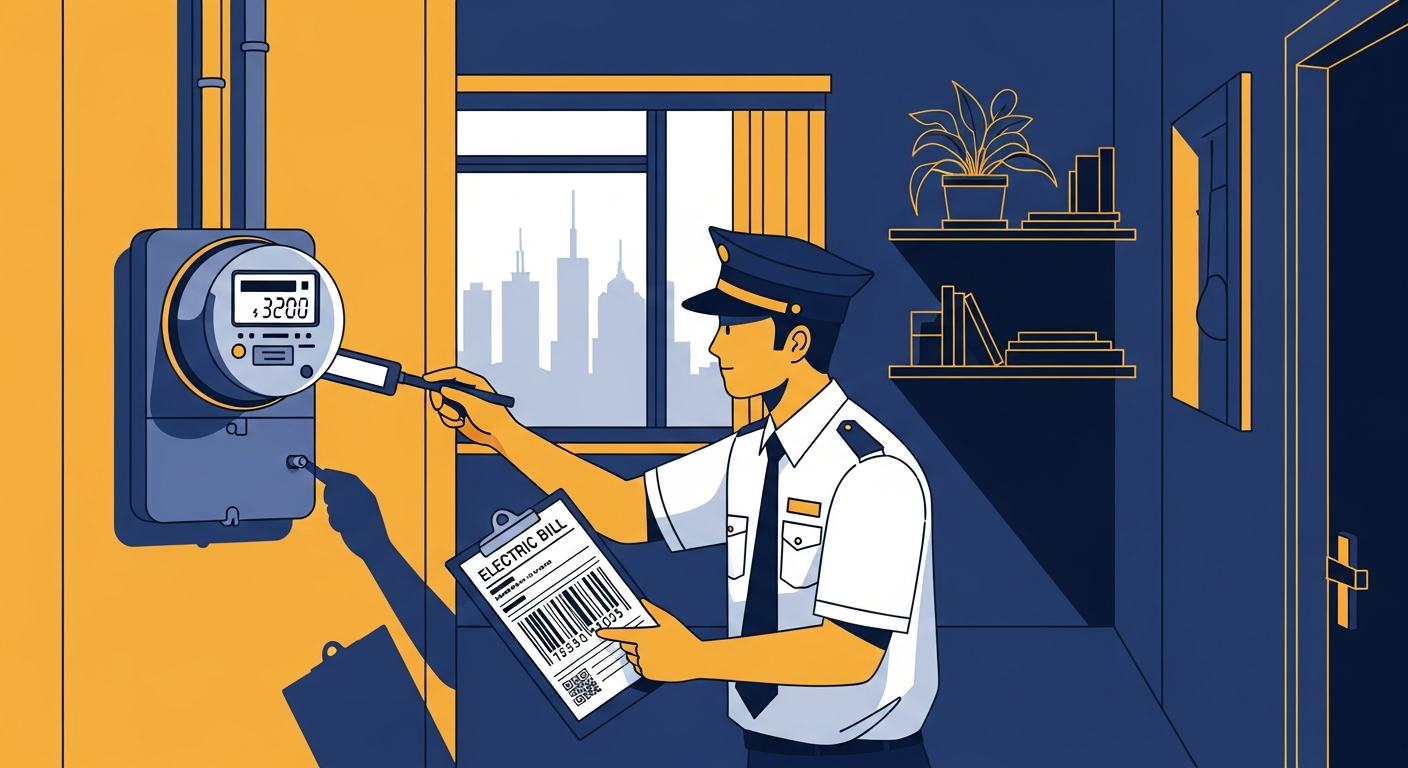
This is probably the most common violation. According to a 2025 survey by the Society for Community Organisation, 55.2% of SDU tenants are being charged non-standard electricity rates. The median is $1.6 per kWh, with some paying up to $2.2.
The law is clear: the total water and electricity charges you collect from tenants cannot exceed the amount on your actual utility bills. If you're multiplying meter readings by your own rate—that's illegal.
The Right Approach
Apportion utilities by floor area or usage ratio, based on actual bills. If your total electricity bill is $3,000 and your SDU takes up 25% of the floor, you can only charge $750. Thinking of making money here? Forget it—the risk is too high.
📚 Related Articles
3. The "2+2" Tenancy Right: Are Landlords Really Powerless?
Many landlords misunderstand this system. The ordinance mandates a fixed 2-year first term for SDU tenancies—no rent increases allowed during this period. Tenants then have the right to renew for a second 2-year term.
But landlords aren't completely locked in. Second-term rent increases have a cap: either the RVD rental index change or 10%—whichever is lower. 2025 data shows 3.8% of landlords still illegally increased rent beyond 10%.
Here's a blind spot many miss: if a tenant is 15+ days behind on rent, you can still terminate the tenancy and apply for repossession. The "2+2" protects law-abiding tenants—not rent-dodgers.
4. Tenants Fear Retaliation, But Enforcement Is Tightening
Here's a sobering number: 75.2% of tenants who suspect landlord violations choose to stay silent. The top reason? "Fear of being evicted" (41.2%).
But things are changing. Six SDU regional service teams are now operating. The Rating and Valuation Department has stepped up inspections. Advocacy groups are pushing for proactive inspection mechanisms instead of relying on tenant complaints. Long-term, landlords banking on tenants staying quiet may find that path narrowing.
⚠️ Risk Alert
The cash subsidy scheme ends in June 2025. Tenants receiving subsidies have more contact with RVD, increasing the likelihood of violation reports. Getting compliant now beats scrambling after you're reported.
Bottom line: the spirit of SDU tenancy control is straightforward—protect vulnerable tenants' basic rights while giving law-abiding landlords clear rules to follow. Non-compliance costs are rising, but compliance costs aren't high: file an AR2, charge utilities based on actual bills, understand renewal rules. None of this is complicated—you just need to know about it. If you need help with SDU tenancy disputes, check out our residential rent recovery services.
✍️ About the Author
Easy Property Editor
Easy Property has over 10 years of experience handling Hong Kong tenancy disputes, specializing in rent recovery, property repossession, and Lands Tribunal procedures. Our team of senior tenancy consultants has successfully handled over 1,000 tenancy cases to date.
🔗 Official Resources
Disclaimer: This article is for general reference only and does not constitute legal advice. Please consult a practicing lawyer for specific legal questions.
Frequently Asked Questions
Q1.Must SDU landlords register with authorities?
Yes, SDU landlords must register with the Rating and Valuation Department. Unregistered leases are void and you may face fines. Registration is simple and can be done online.
Q2.Is there a cap on SDU rent increases?
Yes! The SDU Tenancy Control Ordinance caps increases at 15% every 2 years. Violations may result in fines or orders to refund excess rent.
Q3.What if an SDU tenant refuses to leave?
SDU repossession follows similar Lands Tribunal procedures, but the Tenancy Control Ordinance adds complexity. Consider consultants familiar with SDU regulations.
Table of Contents
Related Posts


Facing Tenancy Issues?
Don't let rent arrears worsen. Book a free consultation now for expert advice.
Free WhatsApp Consult