
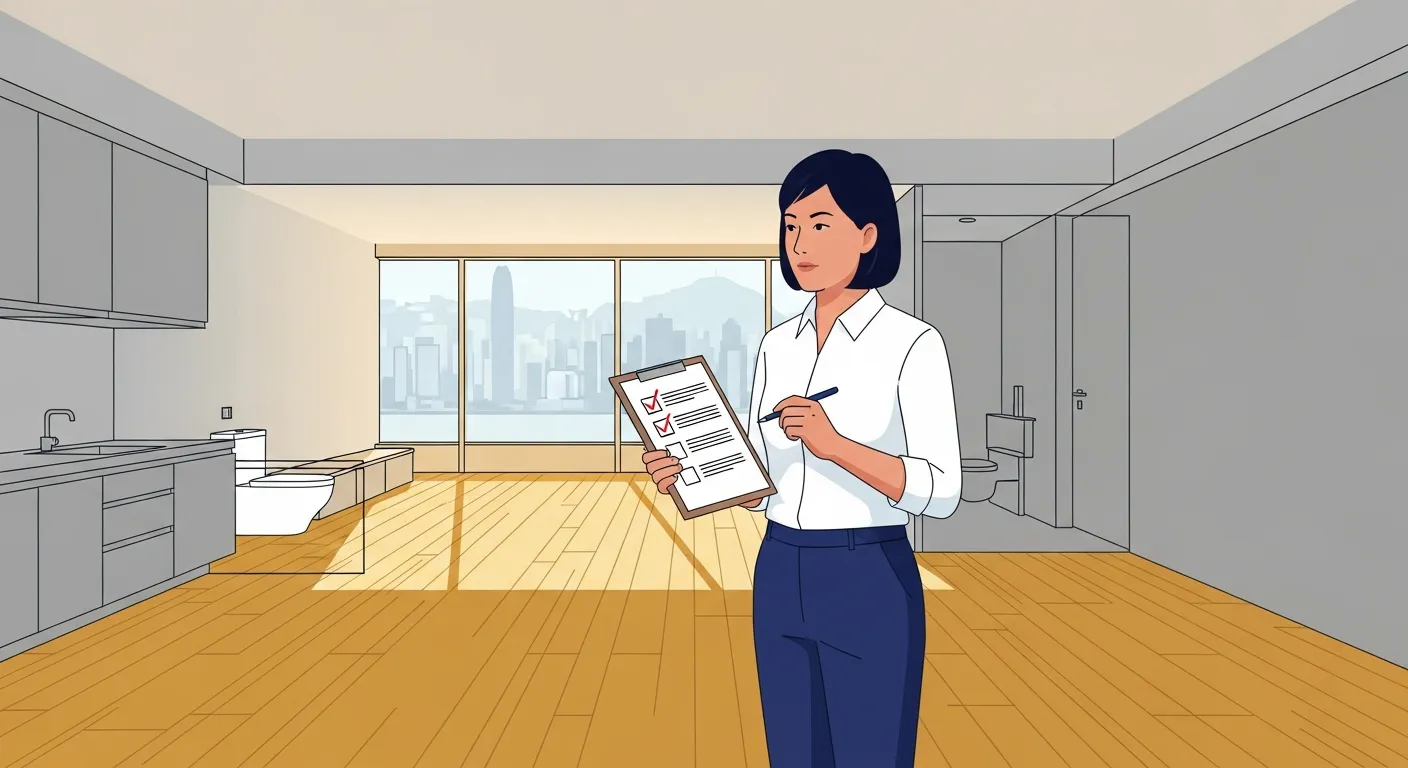
Pre-Rental Preparation Checklist: Essential Guide for First-Time Landlords
Table of Contents
✨ Key Highlights
- • Property Inspection: Thoroughly check utilities, structural safety, and cleanliness before renting to ensure tenants won't face basic facility issues after moving in.
- • Documentation: Prepare ownership proof, rates receipts, and standard tenancy agreement. Mortgaged properties require bank consent letters in advance.
- • Pricing Strategy: Reference comparable transactions to set competitive rent. Overpricing only extends vacancy periods, resulting in greater losses.
Renting out your property is a significant investment decision, yet many landlords overlook the preparation work involved. Proper preparation not only attracts quality tenants but also reduces future dispute risks and protects your property investment returns. This article provides a comprehensive checklist covering property inspection, cleaning and renovation, documentation, and pricing strategy.
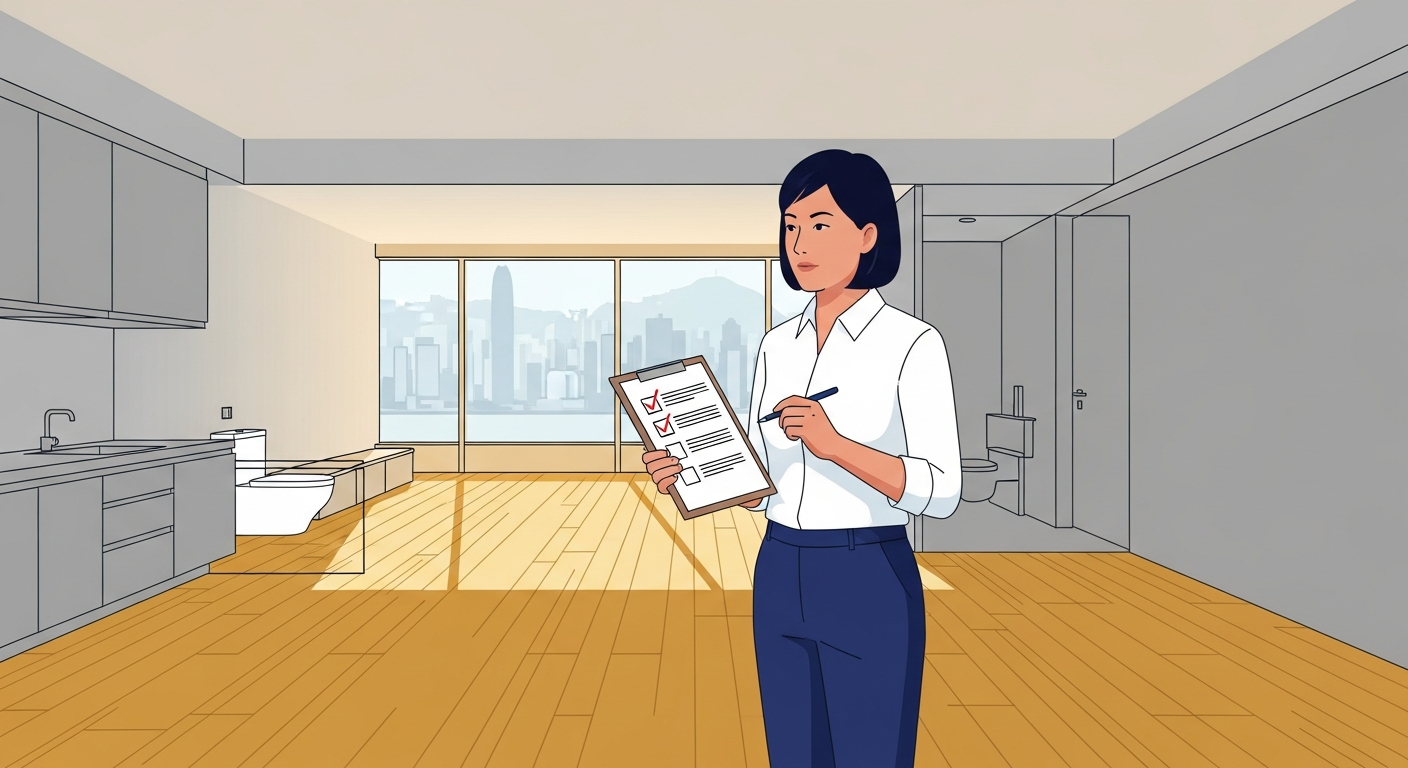
Thorough property inspection is the first step to successful rental
1. Comprehensive Property Inspection
Pre-rental inspection is the foundation for smooth tenancy. A well-maintained unit not only attracts higher-quality tenants but also reduces maintenance disputes during the lease period. Many landlords only discover property issues after receiving rent, which becomes both time-consuming and costly to address. Therefore, pre-emptive inspection is crucial.
1.1 Utilities Check
Utility issues are the most common source of tenant complaints. Based on our experience, over 60% of tenant complaints relate to utility facilities. Therefore, ensure all facilities are working properly before renting to avoid frequent repair requests after move-in, which can strain the landlord-tenant relationship.
Detailed Water System Check
First, check all taps for leaks, verify water pressure is adequate, and ensure the water heater functions properly. Pay special attention to kitchen and bathroom drainage, as these are the most commonly overlooked yet problematic areas. If water pressure is low, you may need to check the building's water supply system or replace internal pipes.
Tip: Water Bill Responsibility
Recording meter readings before rental is essential for clearly dividing water bill responsibilities. We recommend explicitly stating who pays for water in the tenancy agreement and keeping meter photos as evidence for future reference.
Electrical System Safety Check
Test all outlets, switches, and lighting fixtures for proper operation. Check that the circuit breaker panel's residual current device works correctly and confirm the electrical load is sufficient for daily needs. Older properties especially require attention to aging wiring, as this concerns tenant personal safety.
Safety Warning: Electrical Repair Guidelines
If you find aged wiring or loose outlets, you must hire a licensed electrician for repairs. Never attempt DIY fixes. Hong Kong regulations require electrical work to be performed by registered electrical contractors, and violations can result in prosecution.
1.2 Structure & Windows
Structural issues directly affect tenant living experience and safety, requiring serious attention. Even minor problems should be repaired before renting to prevent small issues from becoming major headaches.
Wall & Ceiling Inspection Points
Carefully inspect for cracks, water stains, or peeling. If water seepage is found, you must identify the source and resolve it completely, or the problem will recur. Minor wall damage can be addressed with fresh paint, which covers imperfections while improving overall appearance.
Doors, Windows & Lock Security
Ensure all doors and windows open smoothly with secure, reliable locks. For the main door lock especially, we recommend replacing it with a new one for tenant security—this also demonstrates responsible landlord behavior. Windows should seal properly; otherwise, water seepage may occur during typhoon season.
💡 Expert Tip: Preserve Evidence
Take detailed photos and videos as documentation, including the condition of each room and operation of facilities. Whether you need residential eviction services, retail lease dispute resolution, or village house repossession help, should any disputes arise later, these records serve as important evidence protecting landlord rights.
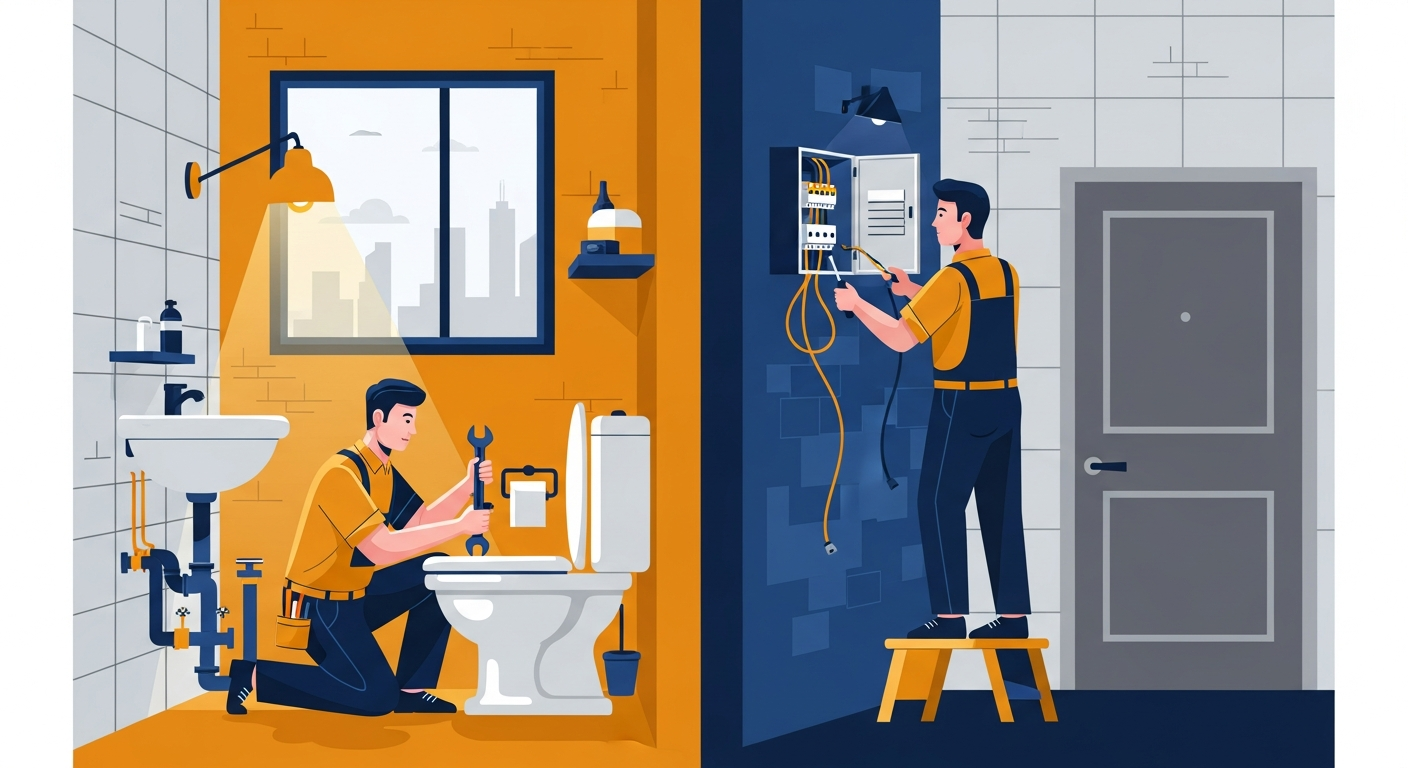
Timely repairs prevent larger maintenance costs later
2. Cleaning & Renovation
Property cleanliness directly affects tenants' first impressions. Often, tenants are willing to pay higher rent for clean properties. Appropriate investment in cleaning and simple renovations often yields considerable returns.
2.1 Importance of Professional Deep Cleaning
First impressions are crucial—a clean, tidy unit conveys the landlord's care. Professional cleaning enhances property appeal and attracts quality tenants willing to pay premium rent. We recommend hiring professional cleaning companies for deep cleaning, as results are more thorough than self-cleaning.
Priority Cleaning Areas Checklist
Kitchen hood grease, bathroom tile grout mold, window glass stains, and AC filter dust are priority cleaning areas. These spots are often what tenants care about most and best demonstrate whether the landlord has put in genuine effort.
2.2 Light Renovation Recommendations
Moderate renovation can significantly enhance property appeal without over-investment. The focus should be making the property look clean and modern, not pursuing luxury finishes.
Fresh Paint Tips
Choose light, neutral colors that are both timeless and easy to match with furniture. White or beige are the safest choices, making spaces appear brighter and more spacious. Avoid overly personalized colors, as not all tenants will appreciate them.
Flooring Care & Treatment
Wooden floors require regular waxing to extend their lifespan and maintain shine. Tile grout can be resealed to make floors look cleaner. If flooring is severely damaged, replacement may be necessary.
📚 Related Articles
3. Documentation & Legal Preparation
Complete documentation is key to protecting landlord rights. Many landlords find themselves in disadvantageous positions during rental disputes due to incomplete paperwork. Taking time to prepare all necessary documents saves considerable trouble later.

Complete documentation ensures smooth rental process
3.1 Ownership Document Preparation
Before signing a tenancy agreement, tenants typically request to see proof of ownership. Having these documents ready not only reassures tenants but also speeds up the signing process, avoiding lost opportunities with quality tenants due to incomplete paperwork.
Required Documents Explained
Documents to prepare include: title deed or sale contract copy, latest rates and government rent receipts, management fee receipts, and landlord identification. If renting through an agent, an authorization letter is also needed.
Special Considerations for Mortgaged Properties
If the property still has a mortgage, you must first apply for landlord consent from the bank. Renting without bank approval may violate mortgage terms, giving the bank the right to demand early repayment. Consent letter applications typically take 2-4 weeks, so allow sufficient time.
3.2 Tenancy Agreement Preparation & Terms
A well-drafted tenancy agreement is fundamental to protecting both parties' rights. We recommend using standard agreement templates and adding necessary clauses based on actual circumstances. Don't underestimate the agreement's importance—many rental disputes arise from unclear contract terms. Understanding the property repossession process also helps you include appropriate protective clauses.
Essential Standard Agreement Terms
The agreement should clearly state the lease term, rent amount and payment date, deposit amount and refund conditions, utility responsibility allocation, and termination clauses. Each item must be written clearly and explicitly to avoid future disputes.
Important Clause Reminders
Remember to include repair responsibility allocation (typically minor repairs are tenant's responsibility), pet policies, visitor and subletting restrictions, and early termination clauses. These provisions effectively reduce future disagreements.
4. Rental Pricing Strategy
Reasonable rental pricing is crucial for successful letting. Overpricing extends vacancy periods while underpricing means lost rental income. Finding the balance requires proper market research and understanding rental levels for similar properties in your area.
4.1 Market Research Methods
Referencing comparable unit transactions in your district is the most direct approach. You can consult the Rating and Valuation Department's rental data, browse property website listings, or inquire with local estate agents. We recommend collecting data from the past 3 months to reflect current market conditions.
4.2 Pricing Factor Analysis
Beyond market data, consider your property's specific characteristics. Different factors affect rent to varying degrees, and landlords need to objectively assess their property's strengths and weaknesses.
Key Factors Affecting Rent
Floor level, view openness, renovation quality, transport convenience, and nearby amenities all influence rental levels. High-floor units, sea or mountain views, and recently renovated properties typically command higher rents. Conversely, lower floors with street or building views require appropriately adjusted rental expectations.
💡 Pricing Strategy Advice
Reasonable rent shortens vacancy periods. Better to price slightly below market for quick occupation than to leave property vacant long-term due to high pricing. Every month of vacancy is a real loss, and long-vacant properties are more prone to problems.
Thorough preparation is key to successful rental. This checklist covers the most important pre-rental preparation items, and we hope it helps you start your rental journey smoothly. If you encounter any difficulties during preparation or need professional property management services, please contact our consultancy team and let our experienced experts assist you.
✍️ About the Author
Easy Property Editor
Easy Property has over 10 years of experience handling Hong Kong tenancy disputes, specializing in rent recovery, property repossession, and Lands Tribunal procedures. Our team of senior tenancy consultants has successfully handled over 1,000 tenancy cases to date.
Disclaimer: This article is for general reference only and does not constitute legal advice. For specific legal issues, please consult a practicing lawyer or professional consultant.
Frequently Asked Questions
Q1.Do I need to renovate before renting out?
Major renovation isn't necessary, but basic cleanliness and safety are essential. Clean kitchen/bathroom, fresh walls, and working appliances are enough. Luxury finishes actually increase maintenance costs.
Q2.Should I have a lawyer draft the tenancy agreement?
Standard templates are sufficient for typical residential leases. But for special clauses (subletting, mixed-use), consult a professional to ensure terms are valid and enforceable.
Q3.How much deposit is reasonable?
Two months' rent is the market standard. For premium furnishings, you may negotiate a third month. But excessive deposits will deter tenants.
Q4.Should utilities be transferred to tenant's name or stay in landlord's?
Strongly recommend transferring to tenant! If kept in your name, you're liable for unpaid bills. Clear responsibility after transfer. Specify this requirement in the lease.
Table of Contents
Related Posts


Facing Tenancy Issues?
Don't let rent arrears worsen. Book a free consultation now for expert advice.
Free WhatsApp Consult